Mexican Day of the Dead
Est. reading time 3 minutes
I first learned about the Mexican Day of the Dead, or Día de Muertos, many years ago, and it profoundly changed how my family and I think about death. It wasn't through a book or a class, (or the movie Coco) but through a number of unique personal connections.
Discovering Día de Muertos in Pátzcuaro
My introduction to this beautiful tradition came courtesy of a client who owned a bed and breakfast hotel in Pátzcuaro, Mexico. Michael is a lovely and interesting man, and the topic of Dia de Muertos came up because it was an important date for hotel bookings. Intrigued by his descriptions, we decided to visit, nearly 20 years ago now.
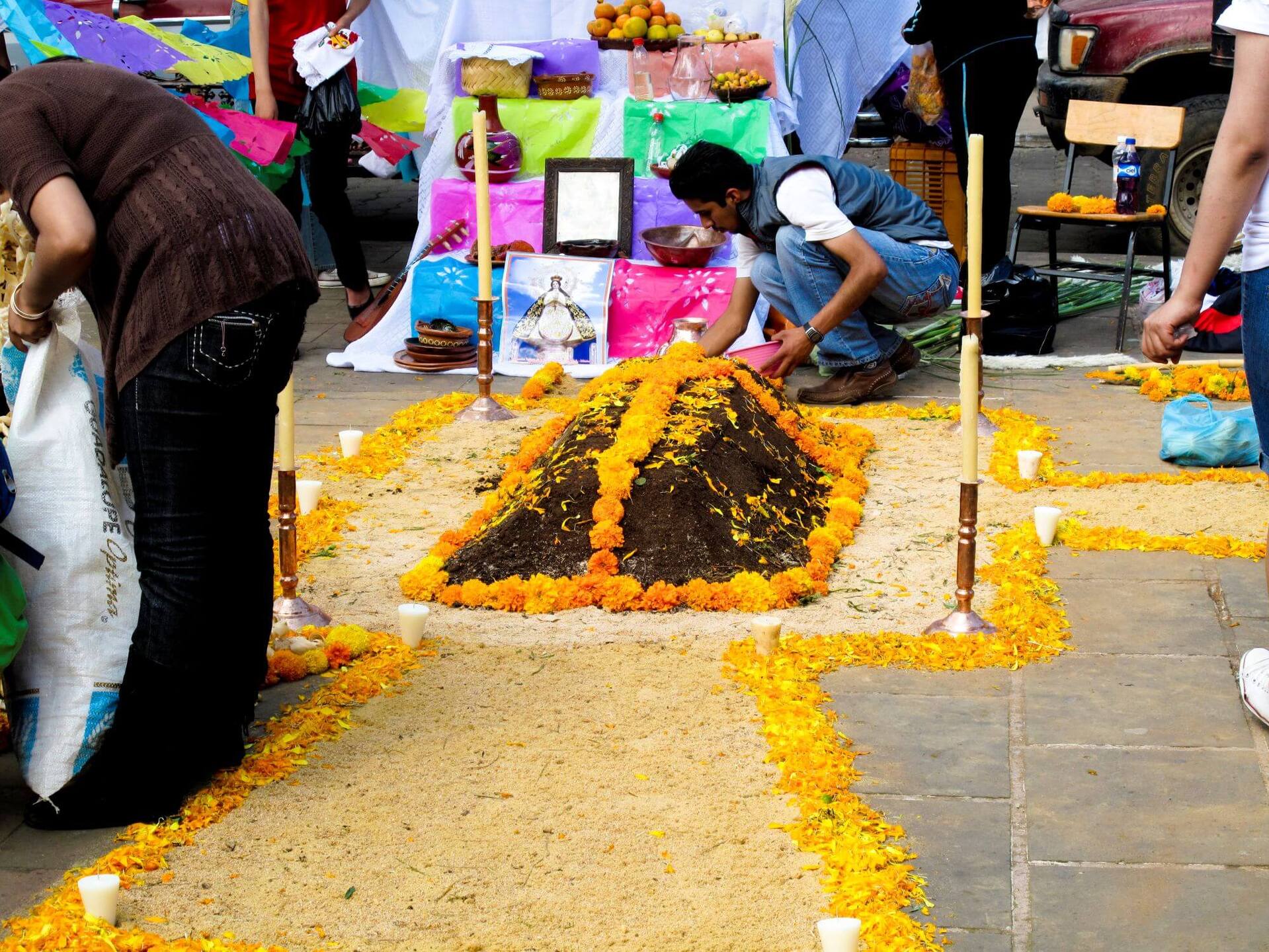
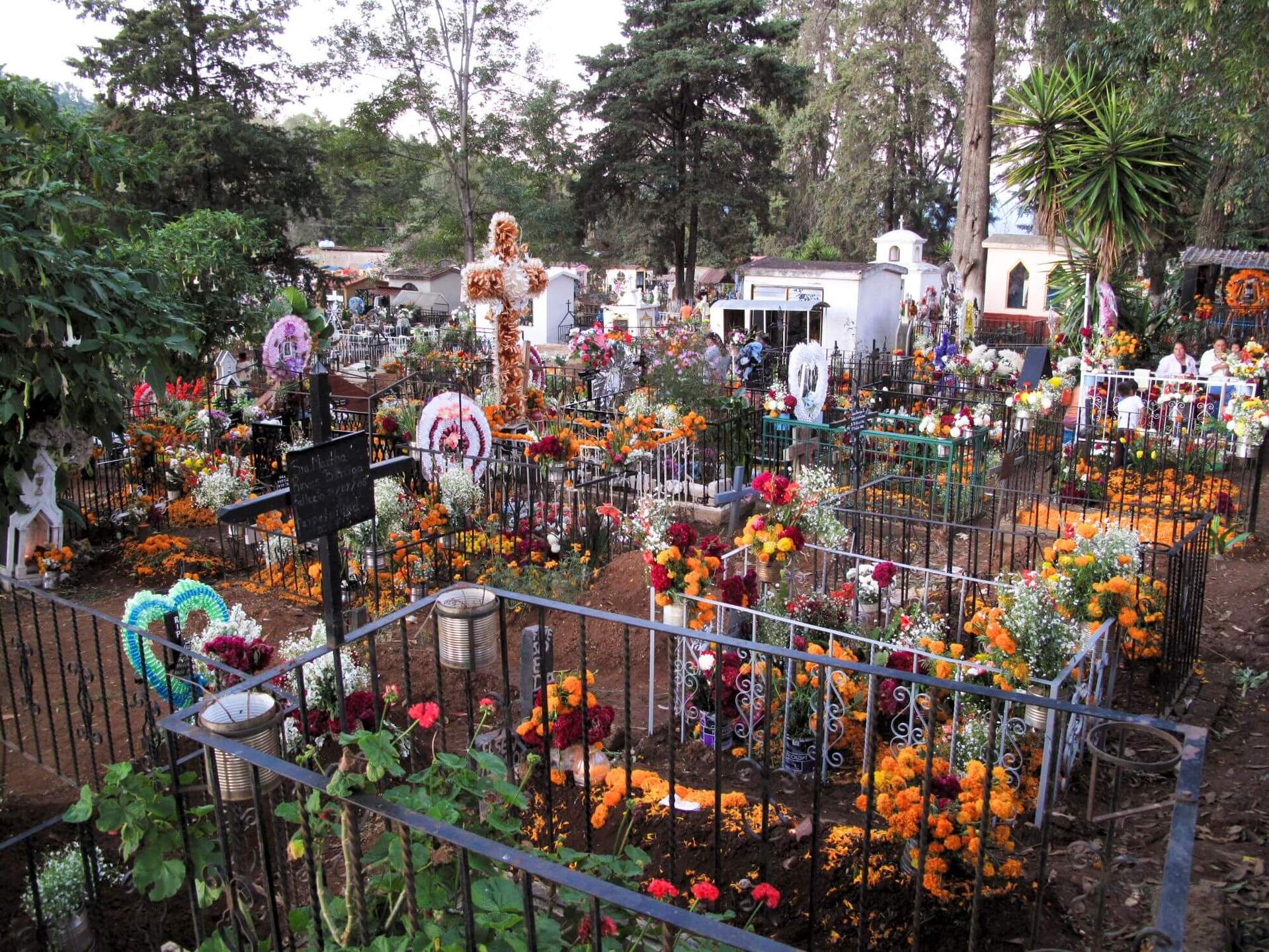
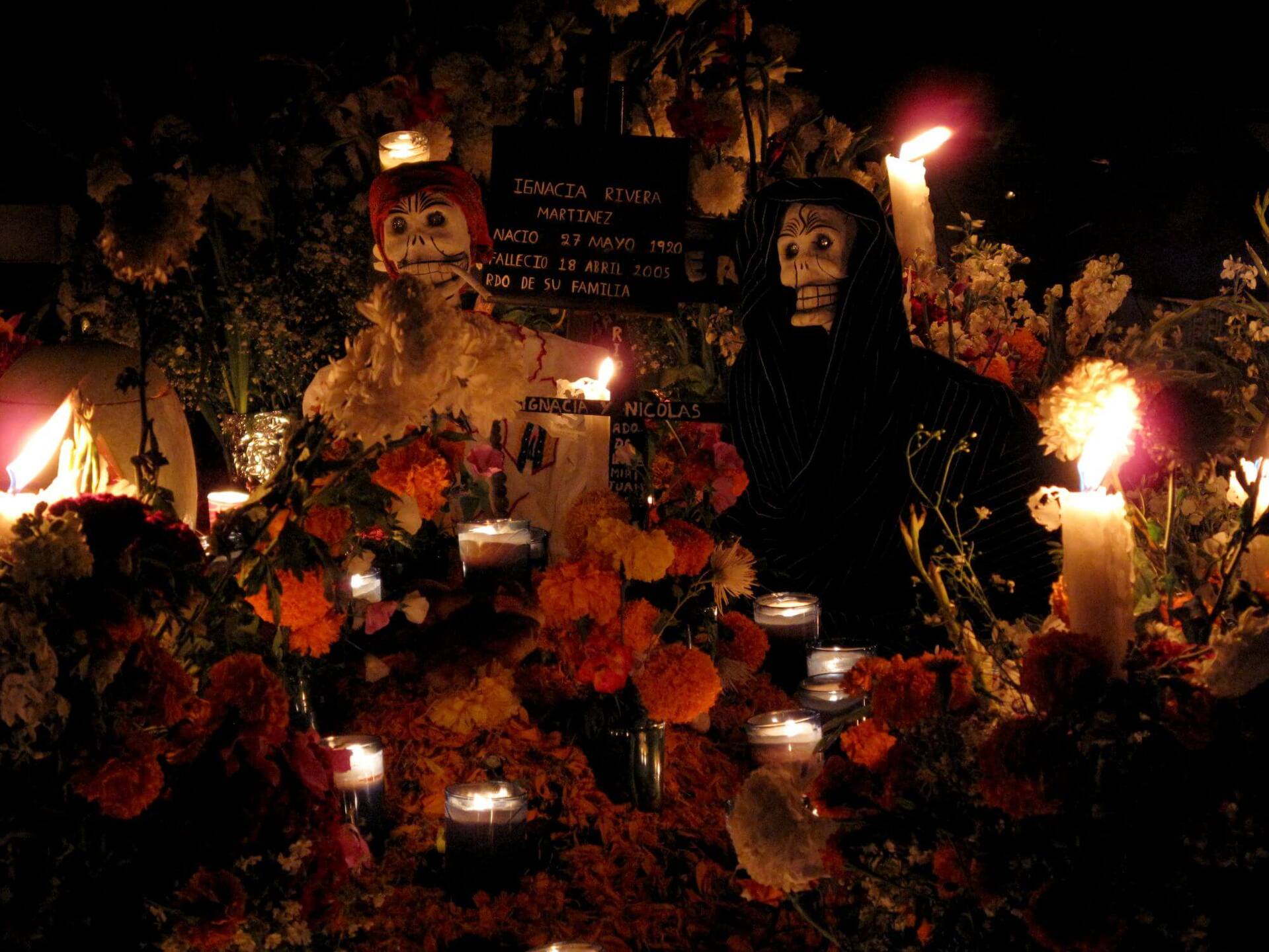
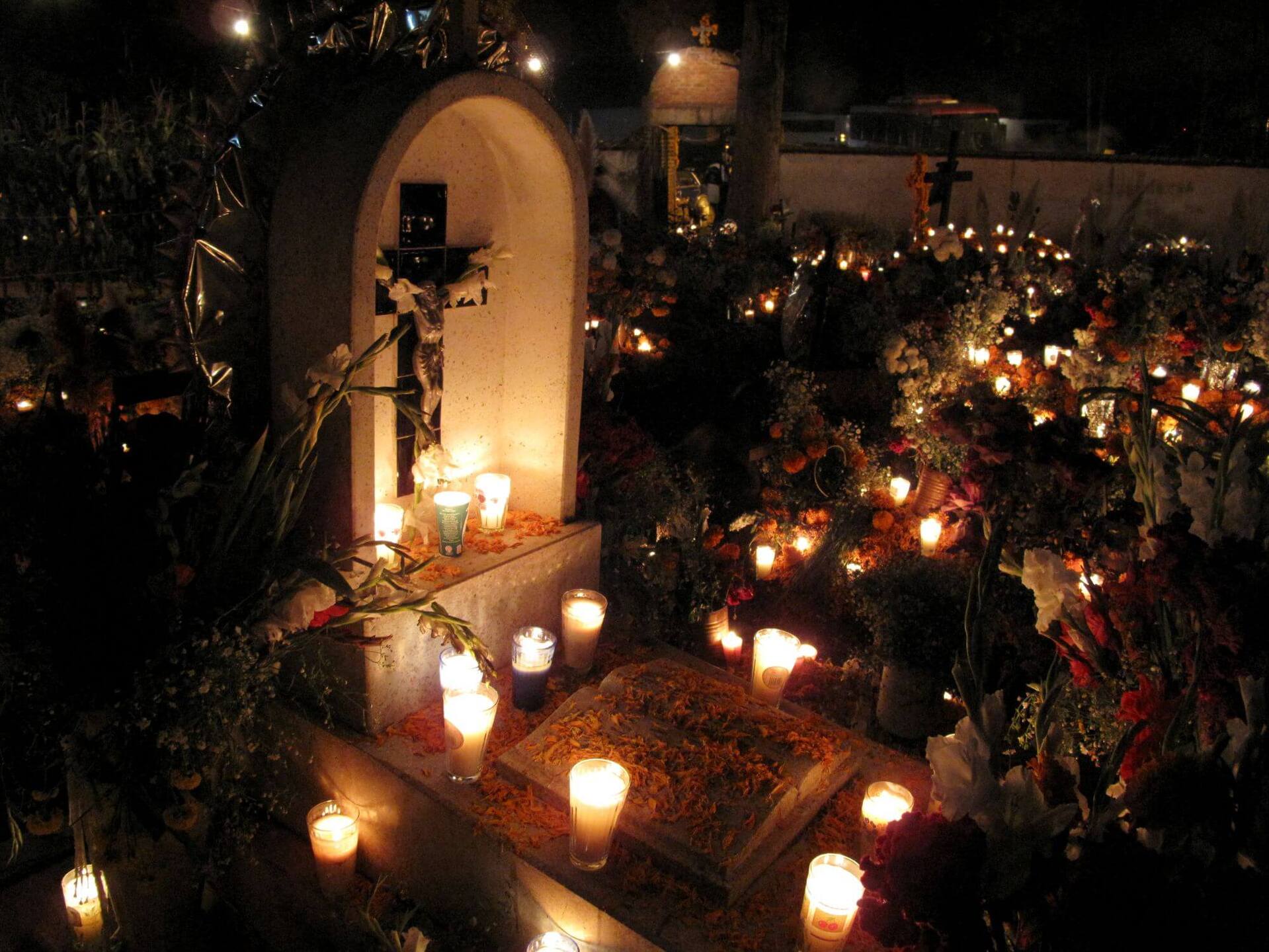
Our trip was fantastic. We were completely immersed in the festivities, even taking a midnight tour of the cemeteries. Experiencing the celebrations firsthand gave me a deep appreciation for the spirit and premise of Día de Muertos, something I'd never encountered before.
A Beautiful Premise: The Dead Visit the Living
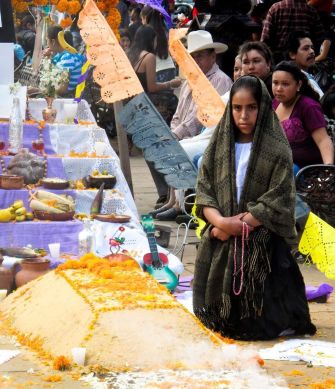 The central, heartwarming premise of Día de Muertos is the belief that for one day each year, the dead return from the land of the dead to visit the living. Rooted in a combination of ancient pagan and Christian cultures, the observance focuses on welcoming and celebrating the spirits of deceased loved ones.
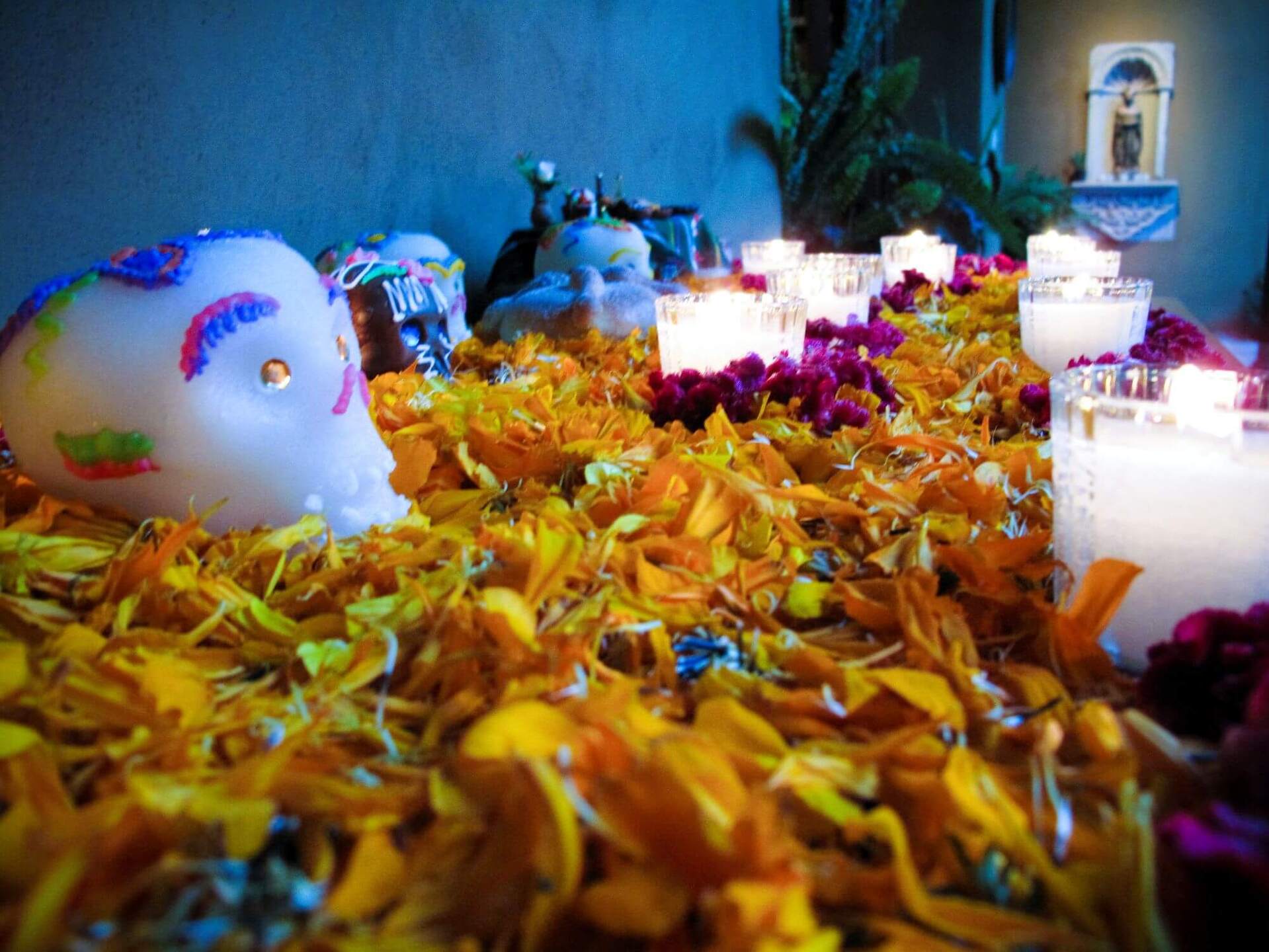
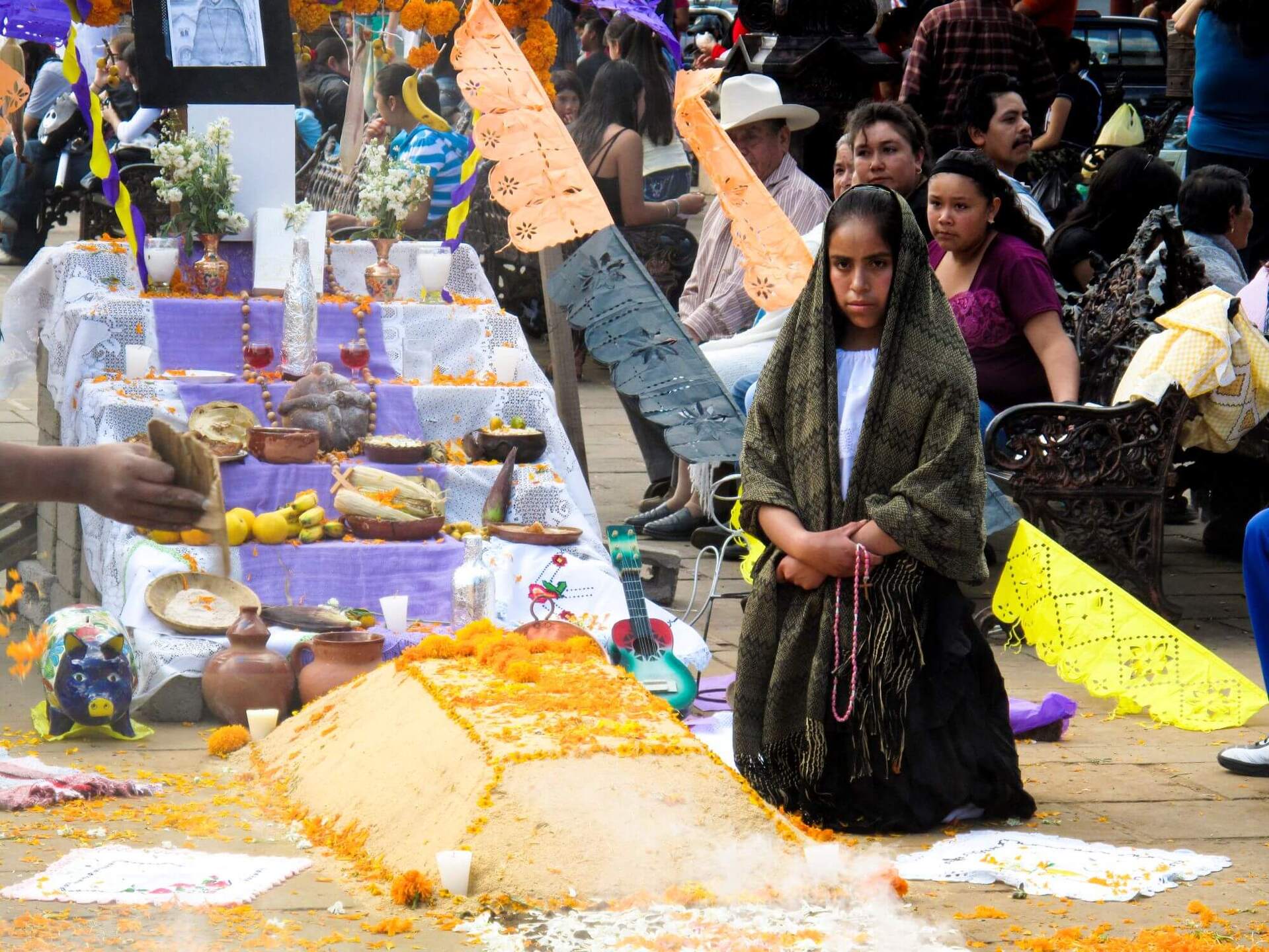
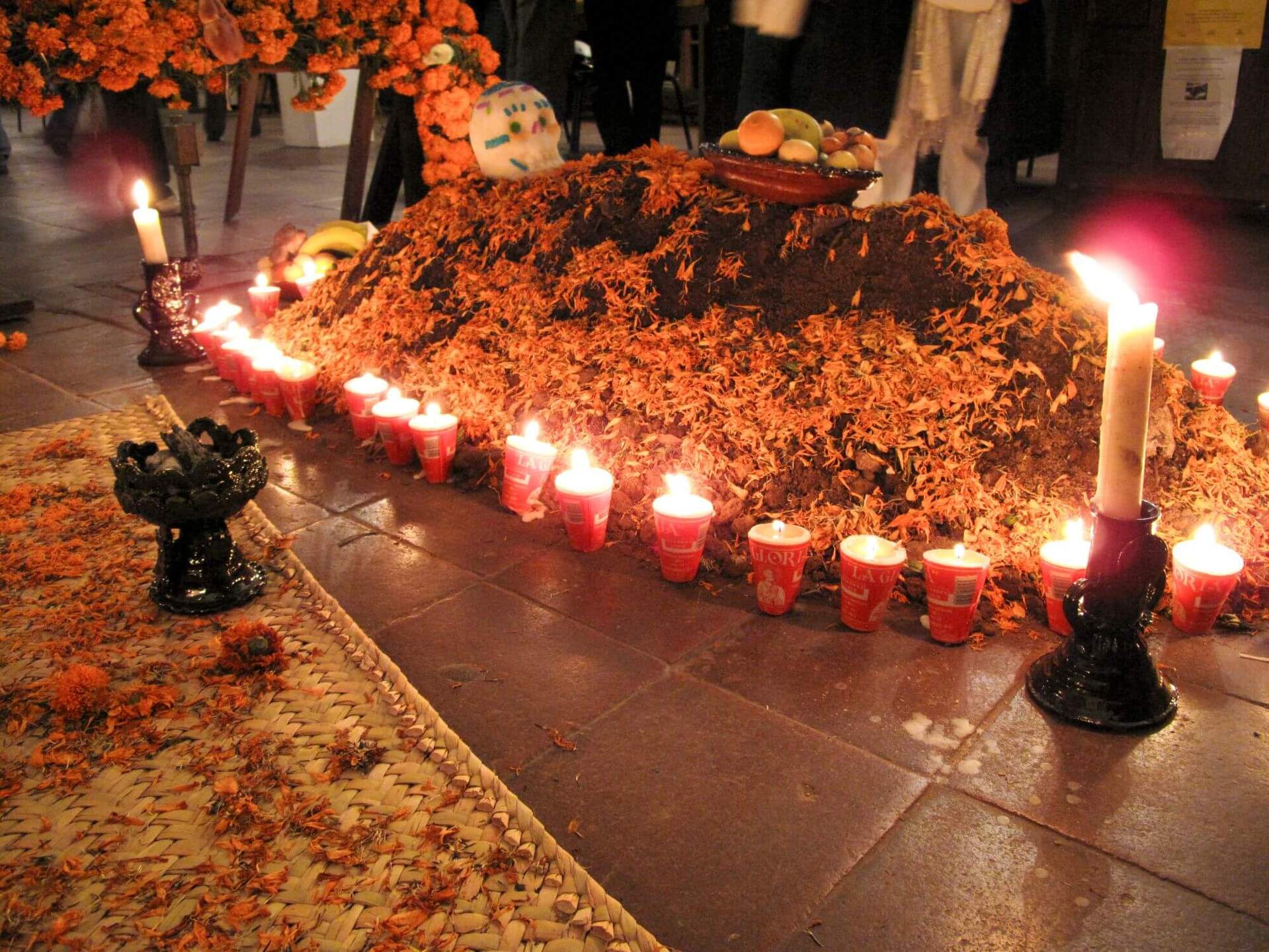
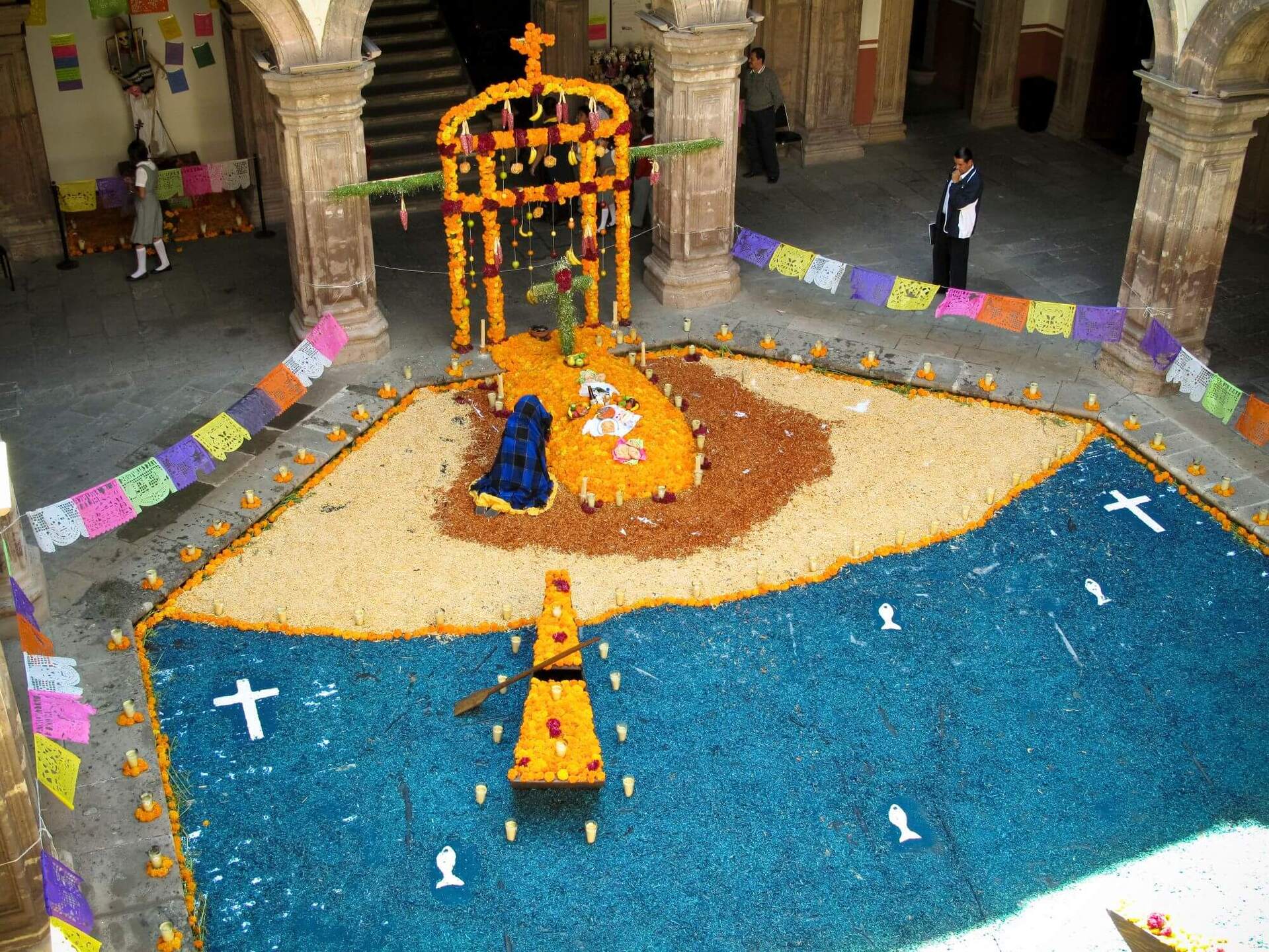
As part of the tradition, families set up an ofrenda, or altar, in their homes. These altars are vibrant, touching displays that typically include:
-
Orange Flowers: Traditionally marigolds, known as cempasúchil.
-
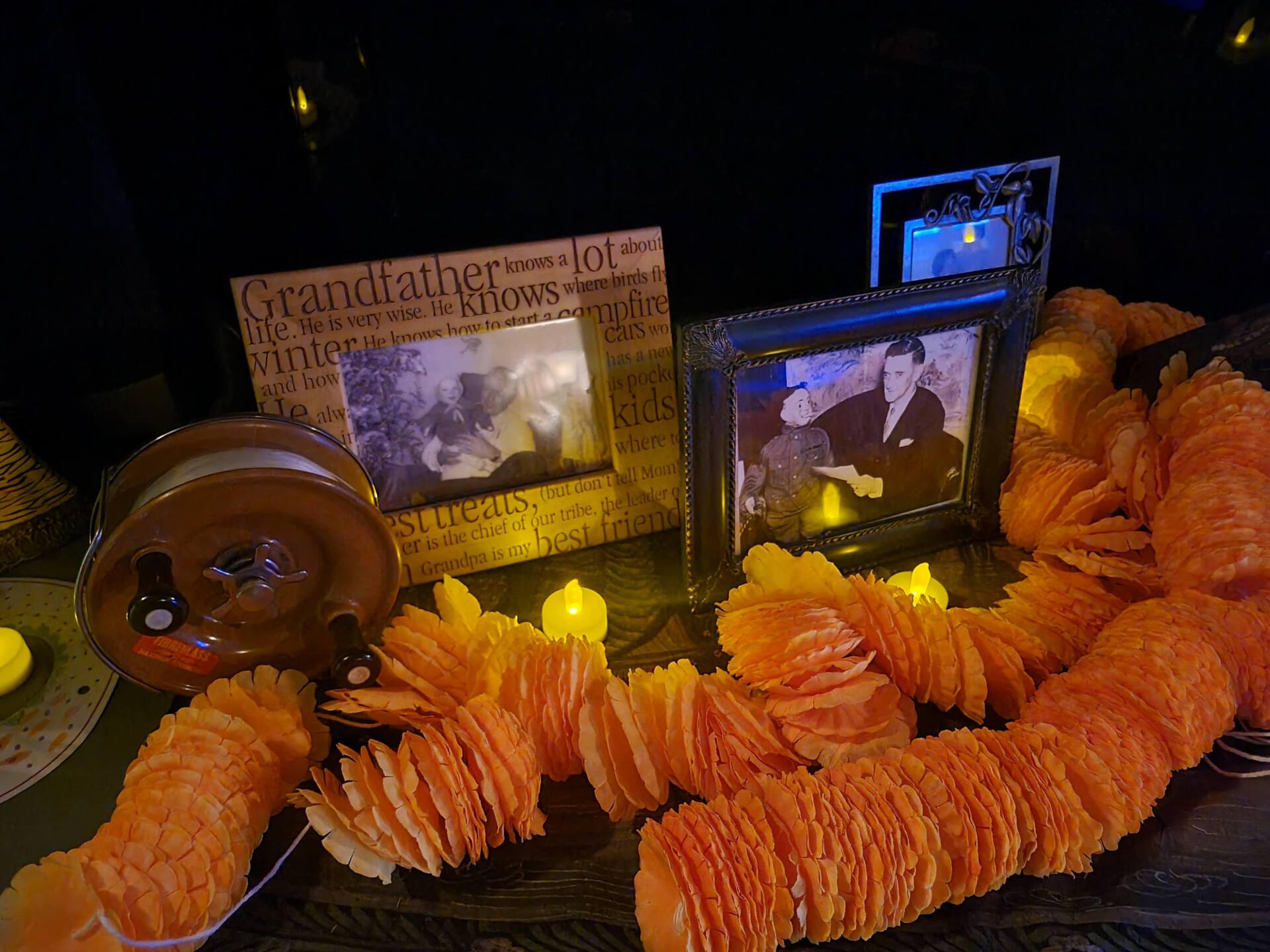
Pictures: Photographs of the dead relatives being honored.
-
Offerings (Ofrendas): Items the deceased enjoyed in life, like their favorite food, drink, or personal objects.
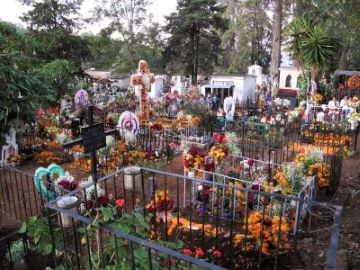 The entire ritual is a beautiful way to keep the memory of a person alive. It's a time for families to gather, tell stories, and talk about the memories they made with those who have passed. A tradition was created around the idea that a person continues to live on in a way after death, so long as they remain in the memory of their family. It is believed that when you speak of them and think of them, they "come to life" again.
This metaphor is a wonderfully comforting and non-dogmatic way to approach the subject of death, making no claims about heaven or the afterlife or reincarnation—it simply says that when you think of your passed relatives, they exist again in your mind. It's also comforting for families to get together to socialize and honor the family that has passed away collectively at the same day every year.
Incorporating Day of the Dead into My Family
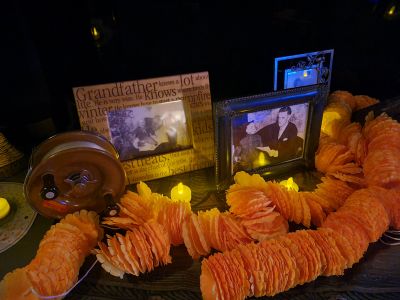 My wife and I took that trip to Pátzcuaro so many years ago and now we have kids of our own. The topic of death and loss has naturally come up. Seeing the movie "Coco," with my kids (which centers entirely on the Mexican Day of the Dead), provided a perfect opportunity to use the holiday's metaphor to talk to my children where people go when they die. Rather than focusing on tragedy, sadness and loss, it’s a nice, comforting thought to believe they’re still "alive" in some way and honor their lives with their stories.
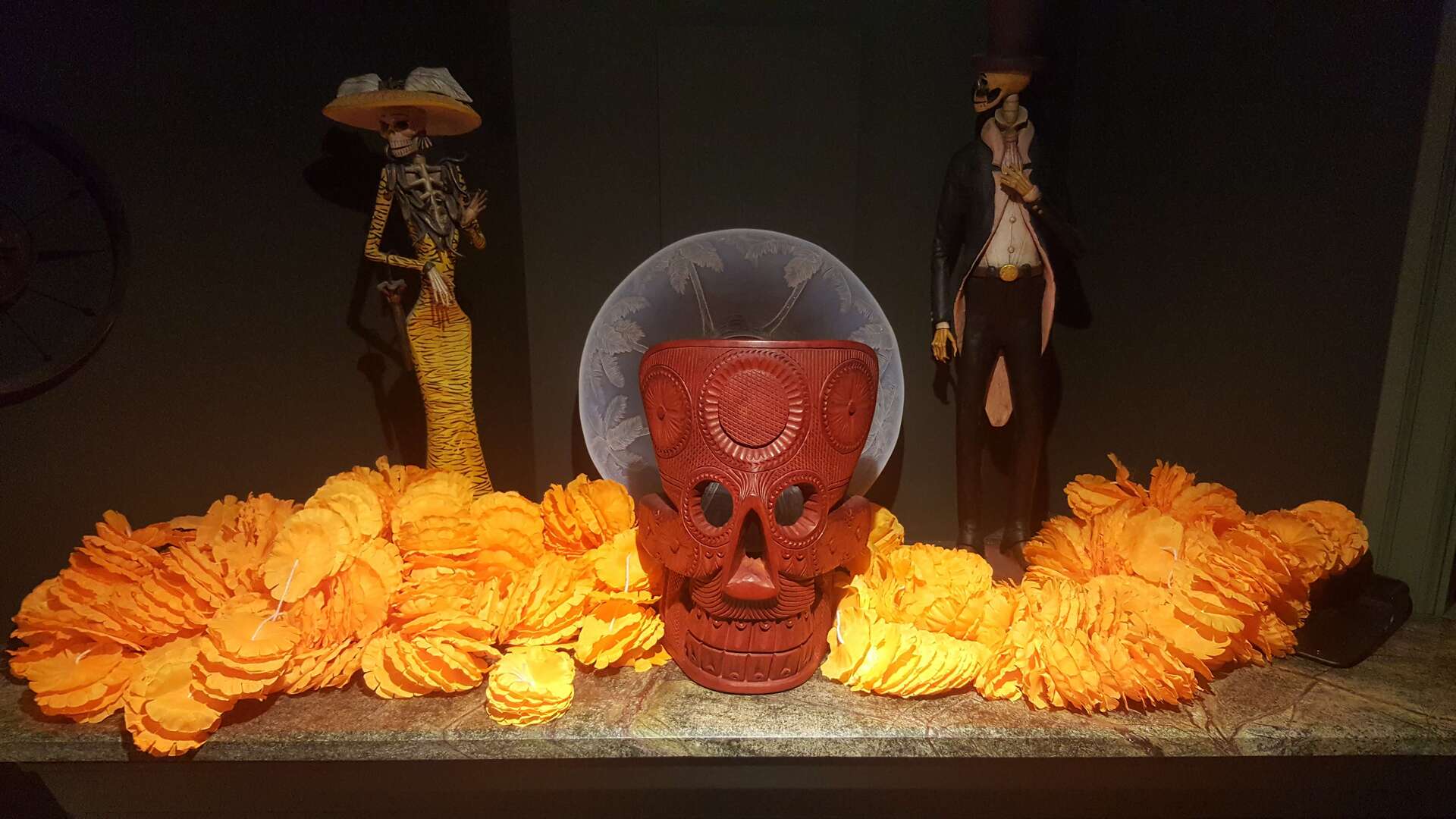
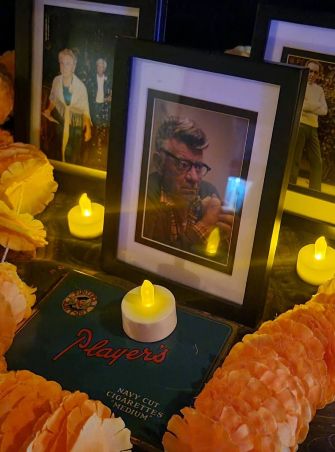 This led me to decide that we would start our own Dia de Muertos tradition. Every year, I put up our own family ofrenda. We set up pictures of our dead relatives and include offerings—things they loved in life. For example, my grandfather, used to roll his own cigarettes using Player’s Navy Cut tobacco from a tin. It's a vivid memory from when I was a young boy. Now, that tobacco tin is a permanent part of our offering for him. Additionally, I find my favourite pictures and put them in decorative frames. On subsequent trips to Mexico I have collected Catrina dolls as well as a beautiful skeleton mask.
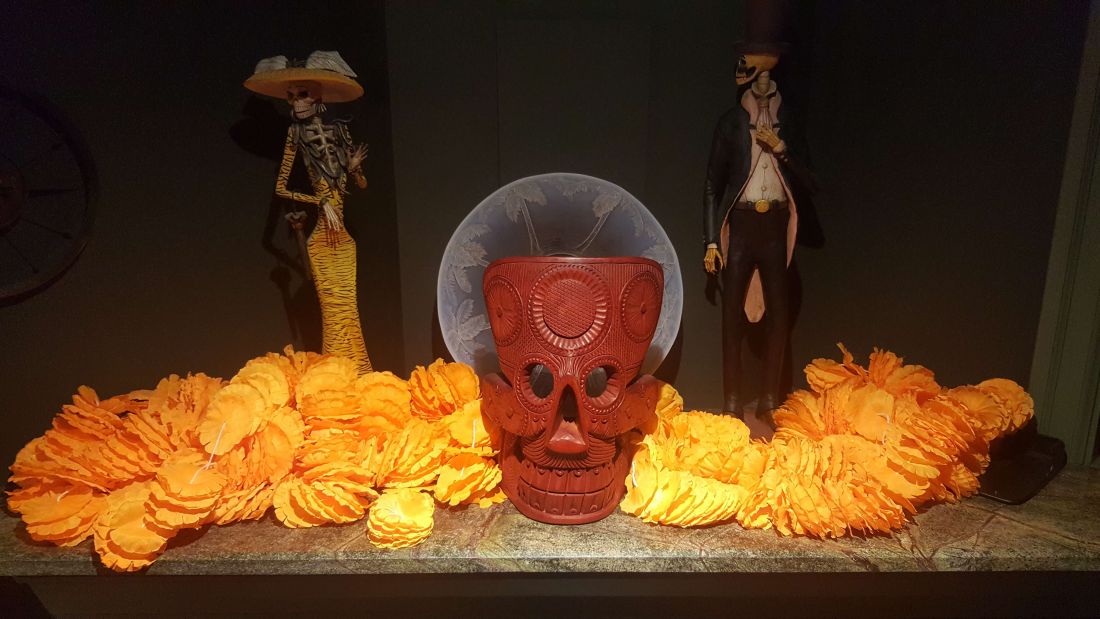
This has become a lovely, yearly family ritual. We talk to the kids about the people who have passed and share stories about them.
I'm so happy to have adopted this cultural tradition. It’s a meaningful way for us to remember our loved ones. It also holds a special significance because my great uncle married a Mexican woman and a significant side of our family is of Mexican heritage. Incorporating Día de Muertos into our lives helps us connect with and celebrate that part of our family's heritage. It’s truly a lovely thing to do together.